


Other Industrial Grade CMC (Carboxymethyl Cellulose)
Due to its diverse applications and excellent adaptability, CMC is an essential raw material and additive across many industries. It serves as one of the top active additives in the synthetic detergent sector, performing emulsifying, thickening, homogenizing, and colloid-protecting functions. In the welding rod industry, it acts as a lubricant and gas generator, characterized by effective extrusion, lubricity, and shedding resistance. In the battery industry, it functions as a binder, thickener, and dispersant.
 |  |  |
Detergents:
Thanks to its emulsifying and gel-protecting properties, CMC produces negative ions during washing, which impart a negative charge to both the dirt particles and the washed surfaces. This causes the dirt to undergo phase separation in the aqueous solution and distances itself from the solid surfaces of the washed items. As a result, dirt is effectively mobilized and kept away, helping to maintain the whiteness of white textiles and enhancing the brightness of colored fabrics.
Mosquito-Repellent Incense:
In this application, CMC is utilized as a binder. Compared to traditional binders, it offers superior adhesion with lower usage rates, making it ideal for creating thin smoke or smokeless mosquito-repellent incense. It is resistant to mold and does not break during storage and transportation.
Catalysts:
CMC is also employed as a binder in catalytic applications.
Building Materials:
In construction, CMC is used as a retarder, water retention agent, thickener, and binder. Its incorporation into plaster enhances workability in mechanized construction tasks such as wall building, plastering, and caulking. By adding CMC to the plaster, the setting time is extended, allowing for more efficient use.
Tobacco:
In the tobacco industry, CMC serves as both a binder and a film former. When combined with tobacco stems and leaf powder, it aids in producing tobacco slices after the rolling process.
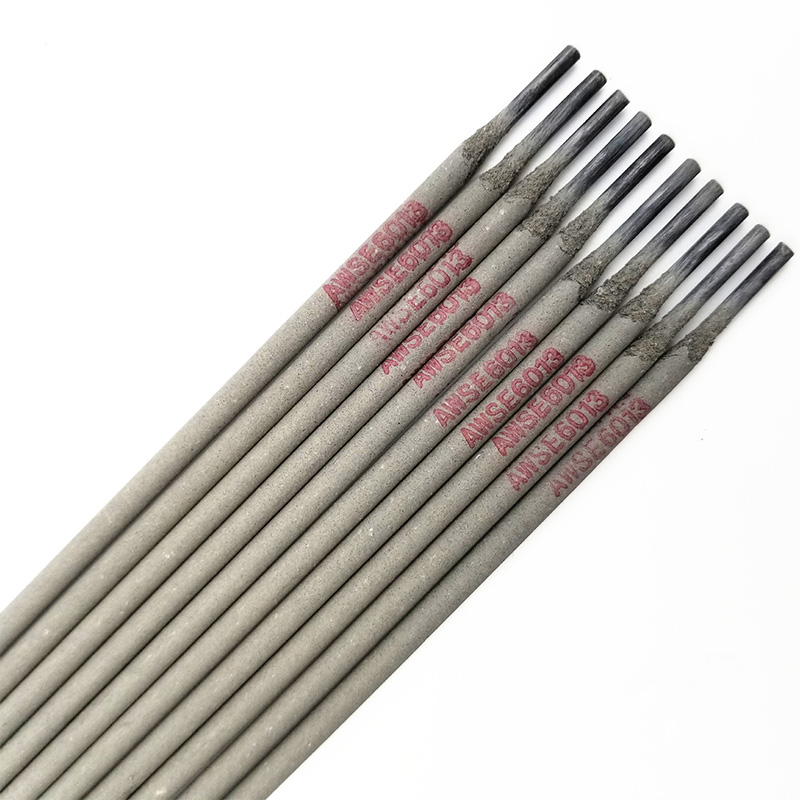
Welding:
In welding applications, CMC is used as a glaze slurry for the ceramic coatings on electric welding rods. This enhances the bonding properties and brushability of the ceramic, while also ensuring that CMC burns away completely at high temperatures without leaving residue. The result is improved appearance and uniformity of the welding rods, as well as a reduction in damage rates.
Industrial Grade CMC is a multifunctional carboxymethyl cellulose product designed for industrial applications that require thickening, binding, emulsifying, stabilizing, water retention, lubrication, film formation, colloid protection, or dispersion control.
With good water solubility and adaptable formulation performance, Industrial Grade CMC can be used in detergents, mosquito-repellent incense, catalysts, building materials, tobacco processing, welding rod coatings, and battery-related applications. According to different industrial systems, it can function as a thickener, binder, stabilizer, emulsifier, lubricant, gas generator, water-retention agent, retarder, film former, or dispersant.
Industrial formulations often need stable viscosity, good bonding performance, uniform dispersion, controlled water retention, and reliable processing behavior. Industrial Grade CMC helps support these requirements through its cellulose-based polymer structure and multiple functional properties.
In detergent systems, it provides emulsifying, thickening, homogenizing, and colloid-protecting functions. In bonding-related applications such as mosquito-repellent incense, catalysts, tobacco sheets, and welding rod coatings, it improves adhesion and processing stability. In building materials, it helps improve workability, water retention, thickening performance, and setting time control.
Industrial Grade CMC helps adjust viscosity and improve formulation consistency in water-based systems. In detergent applications, it supports thickening and homogenizing functions, helping the formulation maintain a stable and uniform structure.
In synthetic detergent applications, Industrial Grade CMC provides emulsifying and colloid-protecting effects. During washing, it helps dirt particles separate from washed surfaces and remain dispersed in the washing solution.
Industrial Grade CMC can work as a binder in mosquito-repellent incense, catalyst production, tobacco sheet processing, and welding rod coatings. In tobacco applications, it also functions as a film former and supports the production of tobacco slices after rolling.
In building material applications, Industrial Grade CMC can be used as a water-retention agent, thickener, binder, and retarder. It helps improve plaster workability and extend setting time, supporting construction processes such as wall building, plastering, and caulking.
In welding rod applications, Industrial Grade CMC acts as a lubricant and gas generator. It helps improve extrusion performance, coating brushability, appearance, and uniformity.
In synthetic detergent formulations, Industrial Grade CMC is used as an active additive. It provides emulsifying, thickening, homogenizing, and colloid-protecting functions.
During washing, CMC produces negative ions that give negative charge to both dirt particles and washed surfaces. This helps dirt separate into the aqueous solution and stay away from the solid surfaces of washed items.
Supports emulsifying and thickening performance
Helps homogenize detergent formulations
Provides colloid protection
Helps dirt separate from washed surfaces
Supports the whiteness of white textiles
Helps maintain the brightness of colored fabrics
Industrial Grade CMC can be used as a binder in mosquito-repellent incense. Compared with traditional binders, it provides strong adhesion at a lower usage rate.
It is suitable for thin smoke and smokeless mosquito-repellent incense products. It also resists mold and helps prevent breakage during storage and transportation.
Works as an effective binder
Provides strong adhesion
Supports lower usage rates compared with traditional binders
Suitable for thin smoke or smokeless incense products
Resists mold
Helps prevent breakage during storage and transportation
Industrial Grade CMC can be used as a binder in catalyst applications. It supports material cohesion and helps improve processing stability in catalyst-related production systems.
Functions as a binder
Supports material cohesion
Helps improve processing stability
Suitable for catalyst-related production systems
In building material applications, Industrial Grade CMC can be used as a retarder, water-retention agent, thickener, and binder. When added to plaster, it improves workability and supports mechanized construction processes such as wall building, plastering, and caulking.
By extending plaster setting time, Industrial Grade CMC helps improve processing flexibility and construction efficiency.

Works as a retarder, water-retention agent, thickener, and binder
Enhances plaster workability
Supports wall building, plastering, and caulking
Extends setting time
Helps improve construction efficiency
In the tobacco industry, Industrial Grade CMC serves as both a binder and a film former. When combined with tobacco stems and leaf powder, it supports tobacco slice production after the rolling process.
Works as a binder
Functions as a film former
Supports tobacco slice production
Helps combine tobacco stems and leaf powder during processing
In welding rod applications, Industrial Grade CMC is used in glaze slurry for ceramic coatings on electric welding rods. It improves bonding properties and brushability of the ceramic coating.
CMC burns away completely at high temperatures without leaving residue, helping improve the appearance and uniformity of welding rods and reduce damage rates.
Used in glaze slurry for welding rod ceramic coatings
Improves bonding properties
Enhances coating brushability
Burns away at high temperatures without residue
Improves welding rod appearance and uniformity
Helps reduce damage rates
In battery-related applications, Industrial Grade CMC can function as a binder, thickener, and dispersant. It supports material bonding, viscosity adjustment, and dispersion control in suitable battery systems.
Works as a binder
Provides thickening function
Supports dispersion control
Helps improve formulation stability in suitable battery-related systems
Explore how Industrial Grade CMC supports detergent, mosquito-repellent incense, catalyst, building material, tobacco, welding rod, and battery-related applications.
Sentai provides customized Industrial Grade CMC solutions according to customer requirements. Since different industrial applications have different formulation systems and processing conditions, the product can be adjusted according to viscosity, DS, particle size, solubility, binding strength, water retention, thermal stability, lubrication, and dispersion performance.
For detergent applications, customization may focus on thickening, homogenizing, colloid protection, and washing performance. For mosquito-repellent incense and catalyst applications, the focus may be adhesion, binding strength, molding stability, and processing behavior. For building materials, customers may require stronger water retention, better workability, controlled setting time, and stable thickening performance.
For tobacco and welding rod applications, customization may focus on film formation, bonding performance, brushability, high-temperature residue behavior, appearance, and product uniformity. For battery-related systems, customization may focus on binding, thickening, dispersion, and formulation stability.
Sentai can adjust Industrial Grade CMC specifications based on application needs, including DS, viscosity, particle size, enhanced solubility, high-temperature stability, and other specialized performance requirements. Through collaborative development, application testing, process optimization, technical support, and full-process quality control, Sentai helps customers select and customize suitable CMC products according to their production process and target performance.
Industrial Grade CMC is a carboxymethyl cellulose product used in industrial formulations as a thickener, binder, stabilizer, emulsifier, lubricant, water-retention agent, film former, colloid-protecting agent, and dispersant.
Industrial Grade CMC can be used in detergents, mosquito-repellent incense, catalysts, building materials, tobacco processing, welding rod coatings, and battery-related applications.
In detergent formulations, Industrial Grade CMC provides emulsifying, thickening, homogenizing, and colloid-protecting functions. It helps dirt separate from washed surfaces and supports the whiteness of white textiles and the brightness of colored fabrics.
Yes. Industrial Grade CMC can be used as a binder in mosquito-repellent incense, catalyst applications, tobacco sheet production, welding rod coatings, and battery-related systems.
In building materials, Industrial Grade CMC can be used as a retarder, water-retention agent, thickener, and binder. It improves plaster workability and extends setting time in construction processes such as wall building, plastering, and caulking.
Yes. Industrial Grade CMC works as a binder in mosquito-repellent incense. It provides strong adhesion, supports thin smoke or smokeless products, resists mold, and helps prevent breakage during storage and transportation.
In welding rod coatings, Industrial Grade CMC improves bonding properties and brushability. It burns away at high temperatures without residue, helping improve welding rod appearance and uniformity.
Yes. In tobacco processing, Industrial Grade CMC functions as a binder and film former. It helps combine tobacco stems and leaf powder to produce tobacco slices after rolling.
Yes. In battery-related applications, Industrial Grade CMC can be used as a binder, thickener, and dispersant to support material bonding, viscosity adjustment, and dispersion control.
Yes. Sentai can customize Industrial Grade CMC according to customer requirements, including DS, viscosity, particle size, solubility, binding strength, water retention, thermal stability, lubrication, and dispersion performance.
Customers can choose a suitable Industrial Grade CMC according to the application type, target viscosity, bonding requirement, water retention need, processing method, and final product performance. Sentai can provide product selection and customization support based on specific industrial requirements.
